

Sleep First, Everything Else Later
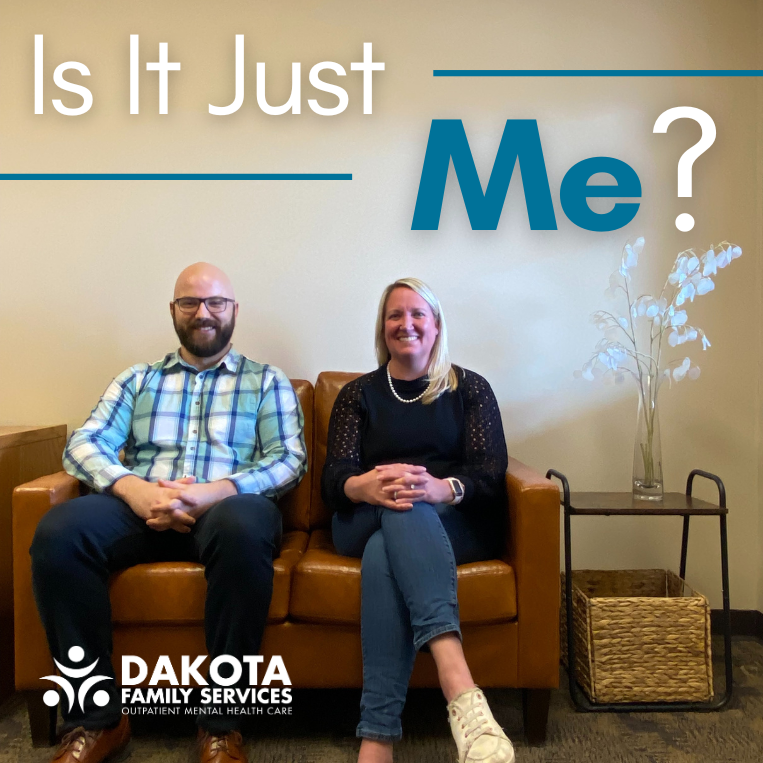
Episode Description
In this episode, Christy and Lucas dive deep into the practice of sleep hygiene and its crucial role in promoting better sleep and overall health. From the environment you create to the routines you follow before bedtime, they explore practical strategies to enhance your quality of rest. Whether you struggle with falling asleep, staying asleep, or waking up refreshed, this episode equips you with evidence-backed tips and tools to improve your nightly rituals and make restful sleep an achievable goal.What to Expect
- Understanding what sleep hygiene is and why it matters
- Key habits and environmental factors that promote quality sleep
- Tips for creating a bedtime routine that signals your body to wind down
About the Hosts
Christy Wilkie provides therapy for children and adolescents, ages 5-25, who have complex behavioral health issues. She combines her extensive clinical expertise with a belief in kids, and has a unique ability to find and develop their strengths. She works hard to be an ideal therapist for her clients, doing what is best to fit their needs.
Lucas Mitzel provides therapy for children, adolescents, and adults, ages 5 - 30. He believes building relationships with clients is the most important piece of successful therapy. He loves what he does because it allows him to walk next to people he would never have met had he chosen a different profession, as they work to make amazing life changes. He has the honor of meeting people at their worst, all while watching them grow into the people they’ve always wanted to be.
Transcript
Sleep First, Everything Else Later
Featuring Christy Wilkie, LCSW, and Lucas Mitzel, LCSW, Dakota Family Services
Announcer:
This episode of, is It Just Me, is brought to you by Dakota Family Services, your trusted partner in mental and behavioral health, whether you need in-person or virtual care. The team of professionals at Dakota Family Services is dedicated to supporting children, adolescents, and adults in their journey to better mental health.
Christy:
Disrupting life patterns and life routines that aren't serving you.
Lucas:
It's how we feel that keeps us going.
Christy:
You can be a masterpiece in a work of art all at the same time.
Lucas:
Hey everyone, I'm Lucas.
Christy:
And I'm Christy.
Lucas:
And you're listening to the Is It Just Me podcast.
Christy:
Where we aim to provide education, decrease the stigma, and expel some myths around mental health.
Lucas:
Christy, is it just me or could you also go for a nap right now?
Christy:
<laugh>, This always such a funny question because I, I despise napping.
Lucas:
So it is just me today.
Christy:
Yeah. I think today, today it's just you <laugh>, but I think in general, the general population would say yes, they could go for a nap.
Lucas:
Yeah. Yeah. So today we're gonna, we're gonna talk about sleep and why that's so important. Oh my God. <laugh>, why that's so important. We did joke about just maybe for this podcast, we all just sleep.
Christy:
Yeah, everyone just take a nap.
Lucas:
Take a nap. Yeah, yeah. Sleep is something that I don't know about you, but I talk about it almost every session I have.
Christy:
Everyone.
Lucas:
It's one of the main things I screen for. 'cause it's just, it is connected to so many different things.
Christy:
Yep. When, when we say there's so much eating, sleeping, and moving your body, it sounds so simple, but it's a reason why it's so cliche is because if those three things aren't working, if you're not doing them in a healthy way, your body's not going to perform at its finest capacity.
Lucas:
Right? Yeah. And sleep is connected to literally everything when it comes to your body. Like if you're not getting enough sleep, it's gonna impact your ability for your brain to work. Mm-hmm <affirmative>. At its most basic levels for your body to work. It impacts immune system functioning. Like it's everything.
Christy:
Everything. <laugh>, <laugh>. Yep. It's very rare that, I mean, sleep is almost my first go-to all of the time where like, even if someone's like, my mood is bad, how's your sleep? Mm-hmm <affirmative>. I'm irritable. How's your sleep?
Lucas:
Yep. We get so used to, uh, our own like subjective, like our, our own sleep patterns that we just think it's normal. And so then when I'm like, how are you sleeping? I'm like, good. I'm like, tell me what that means, <laugh>. Right.
Christy:
Right. Because, and especially now, because we have so much access to, like, people have TVs every, in every room of their house, and we have a phone in our hand, and we have, there's just so many bad habits that we can get into because they're there for us that sometimes I think people at the very heart of what sleep is, people forget what the function of sleep is and what that should look like. Just because you're in your bed does not mean you are sleeping.
Lucas:
Right. So what is the function of sleep?
Christy:
Oh my gosh. To me, you need to sleep in order to fuel your body. Sleep is fuel to me. Right. It re it regenerates. It regenerates, what am I, Wolverine <laugh> it, it re it. Like, it like..
Lucas:
More like a Deadpool, I think.
Christy:
Oh yeah. Yeah. That is accurate actually.
Lucas:
Anyways.
Christy:
It, it restores and refreshes everything in your body, like from your brain to your muscles to, like you said, your immune system. It needs, your body needs rest in order to function.
Lucas:
Yeah. I mean even so going like with cognitive functioning, right? Like it's. Sorry, I'm gonna nerd out a bit. This one.
Christy:
Oh, we nerd.
Lucas:
Yeah. Uh, this is where your brain like consolidates memories. It's where it starts to strengthen those neural pathways. Fun facts for like, if you're wanting to study for a test or whatever, like if, if you make studying for that test the last thing you do mm-hmm <affirmative>. And then you go to sleep, your brain will keep studying material.
Christy:
Yeah. Isn't that wild?
Lucas:
Yeah. And so you're gonna be more likely to under or to remember things if it's like the last thing that you're doing. Mm-hmm
Christy:
<affirmative>. Speaking of that, I also think that people mistake, like if you're gonna take a test, well, I'll just say it two more hours and study and I'm better to go in with two less hours and of sleep and two more hours of studying. That isn't true <laugh>. Like, it is much better to just put the book down, get your extra two hours of sleep and go in rested and refreshed than it is to stay up and cram for any sort of anything. Yeah.
Lucas:
Yeah. Every time. If you go, if you ever taken a test when you're really, really tired mm-hmm <affirmative>. It is like a million times more hard. Or difficult to, to do well in that test.
Christy:
Yes. Same to do with, I have a lot of people that will come in and they're, and they're anxious about taking a test, and so then they don't sleep. And then it's like, it's like, okay, well we gotta figure out, let's figure out your anxiety. So we can get you to sleep. <laugh>. Because then you'll function better when you have to take that test the next morning.
Lucas:
Absolutely. Yeah. And with a physical health, especially for, this is really important for like athletes, like that's where your body starts to regenerate. You become wolverine.
Christy:
Yeah. Like it repairs your muscles. They talk about that all they, those fitness people. They talk about that all the time. How like sleep is where all of the work that you put into your body actually does. The work is when you're resting and sleeping. It's weird.
Lucas:
It, yeah. And where with like growth, especially with kids, like this is where that happens mm-hmm. Is when you're sleeping. And so if you're not, if you're not getting enough sleep, the hormones that get released when you are sleeping to do all those things don't get released. And so then you're not growing appropriately. Mm-hmm. You're not repairing those muscles. You're not taking care of yourself.
Christy:
Especially during like growth spurts, I would imagine people get a little sleepy when your body's working really hard at night. Like those like sleepy teenagers that's like. You know, stereotypical, but their bodies are working really hard, growing into a human. Well, they're already human, but into a larger thing.
Lucas:
What are they before that
Christy:
<laugh>? Yes.
Lucas:
It feels like they're going out of something.
Christy:
Yeah. No, they're still, that's true.
Lucas:
Become big monsters.
Christy:
Yes. Right. That's so true. But they're, they're working really hard when, when they're sleeping.
Lucas:
Yeah. So then with mental health, 'cause that's our specialty. What, what does sleep do for mental health, Christy?
Christy:
It increases your cognitive functioning. It's one thing to say what sleep does for you. It's another thing to say what not getting sleep does for you. Mm-hmm <affirmative>. Because not getting sleep can make your mental health conditions worse. It can make your anxiety worse. It can, it can make your depression worse. It can make so many things worse. And so then sleeping, when you're able to function and you're at, you have, you're at full capacity. It makes those other things not as intense and not as, and not as so all consuming.
Lucas:
Yeah. Decreases your vulnerability to intense emotions. It makes it so that you can regulate your mood, easier. Makes it so that things aren't triggering you as often.
Christy:
I think <laugh>, I can, this is shocking. I can tell when Lucas is tired.
Lucas:
What <laugh>.
Christy:
I know. And I also know that Lucas is a very anxious person. So if he comes in and I can tell that he is tired, I'm like, oh, I hope somebody doesn't say something to him. Because if somebody says the wrong thing to you and you like, snap back at them, you will feel guilty about that.
Lucas:
Forever.
Christy:
Forever. And you'll, and you'll overthink it and your anxiety will like go through the roof and you'll be like, this is what I did. I was like, okay, that's fine. And you're like, no. And, but then you're tired on top of it. So then you're overthinking that. Like it's as simple as that. Because the one you snapping at one person proverbial, you know, I guess. Can cause your anxiety to get worse. 'cause now you're worried that, whoa, what did I say to that person? And that person's gonna tell that person that I was a jerk. And then that person's, and now every now everybody hates me and I'm getting fired tomorrow.
Lucas:
Right. You, you don't know me.
Christy:
<laugh>. <laugh>. And if he just would've gotten some sleep, then we could have stopped all that whole cycle from happening. Because you're we're, you're more impulsive when you're, when you're tired. And things just like come outta your mouth. So if you like lose that ability to put the brakes on in your frontal lobe, stuff just comes outta your mouth and it's like, oh gosh. If you would've had some sleep, you would've thought about it beforehand.
Lucas:
Right. Yeah. And it's just, it just makes things a lot easier to manage mental health wise when you're getting enough sleep. And oftentimes when we're working with somebody who's maybe struggling with their, with their sleep or like, there's even, I've noticed that depending on what the mental health issue is, that there can be different variations of how that sleep gets impacted. For example, somebody who is more anxious is oftentimes gonna have a harder time falling asleep because their thoughts are racing mm-hmm <affirmative>. About whatever's going on. Whereas with somebody who's depressed, I find that a lot of times people will be really tired and could sleep all day long and then all of a sudden it's time for bed and they just wake right up. And it's like they were never even tired. It's not necessarily that their thoughts are racing or anything, although that can happen. It's, but like all of a sudden it's time for bed and it's like brain's like, all right, light's on. And it's so frustrating.
Christy:
It is so frustrating. I was just talking to someone this morning about that and, and I think a lot of times we forget like the impact that trauma can have on sleep. And so <laugh>, I was just talking to her and she was saying how the exact that that thing happens to her. She's tired all day and then she, it's ready for bedtime. And she's like, Nope. Because her trauma for when she's little has said nighttime isn't safe. And so her body is like, we can't go to bed at night because we don't have any idea of what's gonna happen. And then we're back at daytime again. And then she's, now she's still tired and going on zero sleep and then that cycle just continues. 'cause her, she hasn't learned how to let her body be okay. At night. 'cause we still got to retrain the neuro pathways
Lucas:
Which can't grow because you're not sleeping <laugh>. What would you say is the difference between sleep deprivation and insomnia? I love giving you these little kisses, by
Christy:
The way. God, I know. And never a heads up.
Lucas:
Never.
Christy:
Insomnia to me is like a condition, right? Like you cannot sleep. Like there's just, you can't sleep. Deprivation to me is more <laugh>, I'm not gonna say self-inflicted, but it's a lack of sleep. Rather than the absolute inability to sleep. Does that make sense?
Lucas:
That, yeah.
Christy:
Is it, is it wrong?
Lucas:
No.
Christy:
Good. Okay.
Lucas:
Yeah. You always get these right. <laugh> you. Yeah. So like insomnia is essentially where it's a, it's the mechanism that causes sleep deprivation. Sleep deprivation is simply, and I honestly, I didn't believe the answers I was getting right away. 'cause I felt like there's had to be a, there's always a threshold of like...
Christy:
Gaslighting yourself.
Lucas:
...how long, like things like how much, how little amount of sleep do you have to get before you start experiencing sleep deprivation. Deprivation? Right. It's anything that's less sleep than you're supposed to get is sleep deprivation.
Christy:
Really? Oh, we are just walking around like zombies and we don't even know it.
Lucas:
Sleep deprived.
Christy:
We are. I mean, literally.
Lucas:
Yeah. So, and depending on how sleep deprived, right. One statistic said around 50 to 70 million Americans are struggling with sleep deprivation right now.
Christy:
I bet it's more than that.
Lucas:
I would guarantee that. Yeah. But this is just how big of an impact sleep deprivation can have. So you are at a higher risk for colorectal cancer. You already talked about the immune system being impacted. You're at higher risk for type two diabetes, heart disease, high blood pressure. You're more likely to catch a cold. There are 6,000 fatal car crashes a year because people fall asleep at the wheel.
Christy:
Well, they, they will say that driving sleep deprived is as bad, if not worse than driving drunk.
Lucas:
Yeah. And one in 25 people have driven have fallen asleep behind the wheel in the last month.
Christy:
That's terrifying.
Lucas:
Which is so scary. <laugh>
Christy:
What? In the world.
Lucas:
Yeah. Isn't that crazy?
Christy:
It is crazy. So now I'm curious because, and I'm sure that you have it there. Like I have an, I have an idea in my head of what, how much sleep we should all be getting, but how much sleep should we all be getting before we're sleep deprived?
Lucas:
Yeah. So, and that depends on how old you are, right? So, like newborns.
Christy:
So we need like, what, three hours <laugh>.
Lucas:
Right. If, if you're manic, probably get to that too. Newborns to like three months old, not shocking. Need the most. Right.
Christy:
They're they're really growing into a human, yeah.
Lucas:
Right. So that's about 14 to 17 hours a day. Infants, which is like four to 12 months is around 12 to 16 hours. Um, between the ages of one and five, it's 10 to 14 hours. This includes nap times.
Christy:
So just to throughout the whole day.
Lucas:
Yeah.
Christy:
Not in one sleep cycle.
Lucas:
Correct. Just throughout the day, six to 12 is nine to 12 hours, 13 to 18 years old is eight to 10. And then anything above 18 is around seven to nine hours.
Christy:
Really?
Lucas:
Yeah. And obviously it's, it's an average, right? So like you, Christy might be able to run on seven mm-hmm <affirmative>. And I might need nine. Right. You gotta figure that out what's best for you.
Christy:
Right. Yeah. 'cause I think even for me, there's a time when like sometimes I wake up and I know that I've gotten too much sleep and that doesn't feel good either.
Lucas:
Right? Yeah. You're like still tired even though.
Christy:
Yeah. It's like, oh, I slept too much. But yeah, like I think, I think I think eight is like a sweet spot, for me anyway.
Lucas:
So I looked because I was just interested, I went down some rabbit holes. Right. So like, what happens, worst case scenario for like sleep deprivation, right? So at like 24 hours of no sleep, which I can't even fathom that you, it's one of the first symptoms. Fatigue.
Christy:
No kidding.
Lucas:
Right?
Christy:
Thanks. Tips
Lucas:
<laugh>, irritability, and you have impaired cognitive functioning between 36 to 48 hours of no sleep. You're starting to have hallucinations and delusions and difficulty concentrating. And then 17 hours you run the risk of having like a stroke and possible death along with all those other symptoms just amping up.
Christy:
Well, that's neat. That's not, okay, so this, you don't know the answer to this and neither do I, but you've, you follow the Ultra runners mm-hmm <affirmative>. And this is ultra running season. So like, they just did the last man standing and they ran for 200 miles and some change and they only stopped because of a storm, but they were awake for like two days running.
Lucas:
That's Yeah. That's insane and running, not just staying awake.
Christy:
They had to be seeing th like, they had to be seeing things.
Lucas:
I felt like when I ran a marathon, I was seeing things.
Christy:
Yeah. <Laugh>, you probably were, honestly, I don't think that's a, I don't think that's a stretch, but like, I think sometimes when, and, and that stuff is like televised, right? So like when they televise that kind of stuff and they're like, well, that guy can stay awake for 72 hours and they're, they're not fine.
Lucas:
They're not okay.
Christy:
<laugh>. They're not okay. So don't like look at it and be like, well, if they can do it, I can do it. Like, that's not, they train for that. That's not normal behavior. You know, I think their amygdala's probably underdeveloped somewhere along the line.
Lucas:
There's something going on.
Christy:
Right, right. But I some like, I think even like the, the live streaming, like the twitching or the twitch streams,
Lucas:
The twitchings <laugh>,
Christy:
The twitch streams. Isn't that a thing? You're a gamer.
Lucas:
Yeah. Twitch streams are. Yeah.
Christy:
Yeah. Okay.
Lucas:
The twitching <laugh>. I'm calling it that from now on though. That's hilarious.
Christy:
I think th those have been, I mean they'll do like these, I don't know why I am talking about this, because this is way more your than mine.
Lucas:
I love this, yeah.
Christy:
But they do like the sub aons mm-hmm <affirmative>. Right. Or they try to get subscribers. Then I think that people start to think that that's cool to stay awake all night and like live stream something. I don't think it's that cool <laugh>,
Lucas:
It's something.
Christy:
Right. But it, it, it's being glorified, like not sleeping, staying awake can be glorified. And it's like, that's not, that's not cool.
Lucas:
Especially to kids.
Christy:
Yeah, totally.
Lucas:
Kids do it all the time and it's, it's really hard, especially with like video games, if they have access to video games in their room or whatever, and it's not closely monitored mm-hmm <affirmative>. It's very tempting to just stay up. Mm-hmm <affirmative>. Uh, it's easy to let time pass. And you accidentally stay up until 2:00 AM or something.
Christy:
Or a, a big, you know this as well as I do, a big thing right now is that people will FaceTime all night long, all night long. They keep their phones on all night long.
Lucas:
Yeah. And they'll like fall asleep with somebody on there, yeah.
Christy:
You're not and that's not solid sleep.
Lucas:
No. <laugh> not even close.
Christy:
<laugh> not even a little bit or
Lucas:
Falling asleep with the TV on mm-hmm <affirmative>. Right. And all of that stuff is part of, um, what's called sleep hygiene. And sleep hygiene is essentially where it's a set of practices and routines that you do in order to improve your quality of sleep. But you're like, you're doing it. It's, it's stuff that you set in place before you fall asleep. Or like patterns of behavior you do in order to make it so that you have the best sleep possible.
Christy:
Totally. Like I'm thinking of myself, right. I've made a very conscious, we, we <laugh> I live with my husband. Weird. We made, we made a conscious decision to not have a TV in our bedroom. Because I know well enough to know that I could very easily get sucked into a show and watching TV in bed. And to me, my bed is where I sleep. Like, and I, when you do that, you train your brain that when you are in your bed, that is when you sleep, it's not a time to do anything else but sleep. And that, it sounds so stupid, but that is a connection that is made in your brain. It's like, when I'm in this space, I sleep. It's, it's no different than going to work. Right. Like, if you go, when I when I'm at work, I'm working. That's my, my brain just knows that that's the connection that I make.
Christy:
Which this is a rabbit hole, but I think this, that's why COVID kind of got to some people because all of a sudden we're working at home. And now home has become work and our brains don't adjust to that very well. Um, because home is supposed to be your safe place, your relaxing place, the place where you don't do that. And so then I think a lot of people adjusted and made work corners in their houses. So like, when I'm in this space in my house, that it's okay to work. Like that, that's, and if you, if you are a home office person and you haven't done that, you should because you don't wanna feel like you're at work all the time. That being said, back to sleep hygiene, no TV in my room. And then I, if it's just routine. Right. You brush your teeth, you feel your water bottle, you go to bed. And I am a big sleep meditation girly. Ross Rayburn on Peloton. He is like, I hope they never purge his classes. 'cause I don't know if I can go to sleep without, without his voice in my ear. But that's, that is, that is my sleep routine. And if it every night and I get, I get solid sleep.
Lucas:
Yeah.
Christy:
But a lot of people don't have that kind of solid routine. And so do you have, do you have a routine?
Lucas:
I do. Yeah.
Christy:
What is it?
Lucas:
So, oh, I try really hard. So I, I make the lights as dark as they can be. Right. And I have some sort of sound going on, like a, a sound machine or sometimes it's like soft music, more like meditative. Um, no, no vocals or anything like that. Or sometimes I'll have like a fan blowing if it's a little bit warmer. And then I do my own like meditations mm-hmm <affirmative>. And stuff that work for me mm-hmm <affirmative>. And before that as well. I mean, I also like my cat will jump on the bed and so then there's like.
Christy:
I always forget your cat now.
Lucas:
I know. I know. It's so, it's really weird for those of you who don't know, I was vehemently against cats.
Christy:
Vehemently.
Lucas:
Like, hated them.
Christy:
Like capital letters asterisks in bold.
Lucas:
Yeah. I will die for this cat. Yeah.
Christy:
Yes. It is the best.
Lucas:
It's really funny actually. But anyway, so
Christy:
I put it in your wedding vows.
Lucas:
I you did <laugh> and he's the best cat and he, he will cuddles and then he's part of that mm-hmm <affirmative>. And then he like gets tired of it and jumps off or whatever mm-hmm <affirmative>. And then whatever. But, but yeah. So that's kind of my, my routine that way. But I think there are always rooms room for improvement.
Christy:
Oh yeah.
Lucas:
I am very guilty of going on my phone before bed.
Christy:
Oh, yes.
Lucas:
And scrolling TikTok or like playing a little game on my phone or whatever mm-hmm <affirmative>. That's not best practice.
Christy:
No. And I actually, I've gotten so much better. That's partly why I play the meditation on my phone. 'cause if the meditation's on my phone, it has to like, as soon as I get out of it, it stops. So can't do that. So if the meditation is playing on my phone, then it literally keeps me from going on my phone.
Lucas:
Yeah. Well I also, I make sure that I go to bed around the same time every night.
Christy:
Oh yeah.
Lucas:
And I wake up the same time every day.
Christy:
Same. Even on the weekends when I'm like, oh, I know I can sleep in. I know I can't. And I, I won't set my alarm on the weekends. 5 45.
Lucas:
That's circadian rhythm
Christy:
Every freaking morning. <laugh> even like, oh, I could just get a little bit more sleep. Nope.
Lucas:
Yep. Yep. And I gotta wake up at the same time. 'cause my kiddo, like he's he don't care. He doesn't have an alarm except for what's in his head.
Christy:
He is the alarm.
Lucas:
6:00 AM every day. So, oh man.
Christy:
So other things for sleep hygiene, because those are the things that work for us. But I think of progressive muscle relaxation is one of my favorites, which is essentially tensing and relaxing every muscle in your body from your toes to the tippy top of your head. Mm-hmm <affirmative>. And they, they somebody, they go through it with you and say, talk you through it. And it's like, and the thing that it always amazes me so much about progressive muscle relaxation is that you have no idea how much tension you're actually walking around with until you tense it and then relax it. And it's like, oh, well that's how that's supposed to feel. 'cause most of us just honestly go to bed amped up. Without even realizing it.
Lucas:
If you wanna just do a little quick check right now, like if those of you are listening, like, where are your shoulders right now?
Christy:
Yeah. I knew you were gonna say that. Did you see my shoulders? I was just like, I knew he was gonna say that.
Lucas:
A lot of times we, we tense them up and we like, kind of like shrug our shoulders a lot. Mm-hmm <affirmative>. Um, I am notorious for that. Mm-hmm <affirmative>. And it's, it's just good to check in every now and again. But that's just an example of how tense we can get without even realizing that we're doing it.
Christy:
Right. Right. And, and it's, it's so funny 'cause it's like your it body will tell you that it's tense and we don't always listen to what it's telling us because we're like, we'll make excuses for it all the time. It's like, oh, I just, I had a long day at work or I was just worried about this or I, I didn't eat lunch today or whatever. And it's like, no, your body probably is just telling you that you need to rest and you're tense.
Lucas:
Yeah. Yeah.
Christy:
Calm down, <laugh>,
Lucas:
Relax.
Christy:
You. You're fine.
Lucas:
Some of the biggest things that we see with people struggling to fall asleep is they will initially have a hard time falling asleep. So when we ask like, how do you sleep? They're like, good then. So what does that mean? Like how when you, from the moment you're like, okay, I'm going to sleep now. Mm-hmm <affirmative>. How long does that take you? Because it, it honestly shouldn't take you very long. And I'm talking like within a few minutes. If it's taking you 30, 45 an hour, that's not great. Like, there might be something going on there. If you notice, here's a really big clue if you notice that you're getting frustrated.
Christy:
Oh, yeah.
Lucas:
That is a big warning sign that maybe there's something going on.
Christy:
Right. And maybe you should go see somebody about that.
Lucas:
Who should they go see?
Christy:
<laugh> should probably go see a therapist to see what's going on. Um, because I, the other thing too is like learning, learning how to shut off your thoughts is a, that's a skill. Like you have to learn how to do that. And anxious people are probably the worst at that because the constant, right. Like that's what it is. You feel like you don't have control over it. So you have to find ways to get control over it, which is what we do. Right. Like we teach people skills on how to quiet their brains.
Lucas:
Yeah, control of their brain.
Christy:
Enough
Lucas:
Control their thoughts.
Christy:
Right. Enough to get some sleep. Because I mean, I could, I could think about a lot of things <laugh> over a lot. I mean, I could go to a lot of places in my head that would keep me up, but I've, I've had to learn how to shut them off to sleep.
Lucas:
Absolutely.
Christy:
And so if you're somebody out there who is having that problem, like you don't have to live that way. You don't have it doesn't, doesn't fru sleep doesn't have to be frustrating. It should be rejuvenating. And so if you are finding that sleep is frustrating in any way, you should go talk to somebody, whether it's a therapist or a doctor, whatever you think the underlying cause of that might be. But you don't have to live like that.
Lucas:
Yeah. And there's a lot of reasons why that stuff might be happening. It's not simply just, it could be more than just your anxious. Or like, Christy had already mentioned this earlier, but talking about like trauma and sometimes we don't even realize that that's what's happening. And you just start naturally feeling way more tense at night and we can help you a identify what's going on there mm-hmm <affirmative>. So then you can understand it. And then give you some like practical, actually pretty easy like simple things to try to get yourself to relax so that you can fall asleep.
Christy:
Right. And it, and it would just add to your sleep hygiene routine. Right. If that is the case, and I have a lot of kids who fall into this who just need their parents to walk them through and show them that the door is locked, the windows are locked, nobody's coming in. And then just having that reassurance and doing that routine to, and that routine maybe doesn't have to happen forever, but we gotta meet people where we're at. And if that's what you need to do for now, do that. I know a lot of adults do that. Make sure that the door is locked. That, that every like, that your house is impenetrable in as many ways as possible. A very normal phobia that people have that I don't think a lot of people talk about, but I hear it every day.
Lucas:
All the time. Yeah.
Christy:
Adults, kids. Like there is like this underlying fear of somebody breaking into your house. And so if, if some of those things that provide you with reassurance enough so your anxiety can go down enough so your body's chill enough to go to sleep, do those things.
Lucas:
Yeah. Absolutely. And if you feel like those things are like, 'cause I've had people come to me and they're like, I can't fall asleep until I do this. Is this weird? Or like, is this normal is or is it disordered? Uhhuh <affirmative>. And we'll know the answer. We'll help you out with that. And if it is, we'll help you get through that. But you never know until you go talk to somebody. Who does. Right.
Christy:
Even something as simple as reading a book, because it creates a different narrative in your head. It pulls your, your thoughts from whatever nonsense is going through your brain and it focuses on a story that has nothing to do with you. And that in so many ways gets your body to relax without you even realizing that that's what you're doing.
Lucas:
People who like to watch like scary things or whatever. Like try not to do those before bed.
Christy:
Yeah. But a lot of people do.
Lucas:
Well yeah. 'cause that's when the best time to watch a scary movie is, right?
Christy:
Says who!? I wanna watch a scary movie at two o'clock in the afternoon when all with all of the lights on and the sun shining. Otherwise I'm not watching it.
Lucas:
Understandable. 'cause I don't do scary very well.
Christy:
I don't either because I like to sleep.
Lucas:
Right? Mm-hmm <affirmative>. But that's when a lot of times people will do that and or they'll watch something that was like really exciting or like they'll just be involved in something that was really exciting and that keep, that activates your brain. And it can take a minute for the brain to kind of rev down a bit. And so trying to do stuff that makes you feel like you're able to rev down before you actually try to lay down is, is really helpful. So like yoga, some sort of meditation or even just simply just doing something that's quiet. Maybe like a puzzle or reading a book, like Christy just talked about. Just something to start priming your brain for like, okay, now we're gonna start relaxing that way when you actually do go lay down, you're always calm as possible. Uh, and you're gonna have a better chance of that. But sometimes, like, you might need to do that for like an hour before you go lay down. 'cause it can take that long depending on what's happening. Right?
Christy:
Yeah. Absolutely. <laugh>, I think that's the thing that people are like, well, do I have to start my sleep hygiene at like seven o'clock at night? Uh, maybe because especially if you're an, if you're an anxious person and you're, I always call it landing the plane. Because we're like all day. And then you, it, it takes some people longer to get down to baseline to the point where your body can rest. And then I'll get this question all the time about melatonin or sleep supplements or medication. And I'm saying we will try everything humanly possible to get you to do this organically before I would introduce any sort of sleeping aid because it's, it's forced sleep and not, it's not organic sleep.
Lucas:
Right. Yeah. And like even though melatonin is not bad for you. It, it's just let's, if we can get that to happen more naturally without the added Right. I say let's do that.
Christy:
Yeah and even, even for a while, sometimes if you need melatonin for a while to get your body into a circadian rhythm to kind of get that for sleep. So it's like becomes part of your sleep hygiene where you're like, okay, now I know. And now it's a rhythm. Maybe you're not a melatonin. Maybe you don't have to take it forever. But long enough to get into a habit. 'cause everything we do is a habit. And habits take a while to form. I think 21 days. I may be making that up.
Lucas:
I think it's actually way longer than that.
Christy:
Is it really?
Lucas:
Yeah.
Christy:
Oh crap.
Lucas:
Especially if you have like ADHD and stuff.
Christy:
Oh, sure.
Lucas:
That we're talking like hundreds of days potentially <laugh>. So that wasn't an exaggeration. I used to have, uh, I have it somewhere.
Christy:
I thought you were, I used to have adhd. I was like, what?
Lucas:
Oh no, that's still, that's still there.
Christy:
I was like, where are you going with this?
Lucas:
No, I used to have the number. I have it somewhere on my computer I'm sure. But I can't remember what it's off.
Christy:
You know why you have it on your computer? 'cause Google's on there.
Lucas:
Well, no. Like I, I have like a power. It's fine. <laugh>. Anyways, I'm moving on. So one of the, like going back to some of the sleep hygiene stuff, like did you know that you're, they recommend that you don't eat more than less than three hours before you go to bed.
Christy:
I did not know that. Yeah. Why is that?
Lucas:
Because it activates your body.
Christy:
Oh, duh. It's fuel.
Lucas:
Yeah. And so can make it harder to fall asleep. So if you're eating a meal, like right before you try and fall asleep because you work late or whatever. It might be a little bit more difficult. So if you're struggling with that, maybe that could be just one thing you change. And try to try to make better, um,
Christy:
Baby steps.
Lucas:
Yeah. But there are sleep is impacted by so many different things. So there's so many different options to try before you start like taking out the big guns if you will.
Christy:
What about like water? Like should you drink? Does, is it, does that have any impact on you when you sleep? Do you know?
Lucas:
I didn't, I didn't see anything about that. And I've not heard anything about drinking water.
Christy:
Because I think a, the, a lot of people will have like a tea or like something before bed. I don't, I'm not that person.
Lucas:
Yeah. And I think it's important that you stay hydrated before you, 'cause it's like you're thirsty or whatever. You can wake up to that and or just not sleep very well.
Christy:
Right. Huh. Interesting.
Lucas:
Yeah. So that's one of the things is like, we've gone on a couple of tangents today.
Christy:
Yeah. Wow.
Lucas:
We're jumping all over the place. But that's, it's okay.
Christy:
Par for the course.
Lucas:
We just need a nap.
Christy:
Speak for yourself.
Lucas:
So the initial insomnia. Or like falling asleep is one way that sleep can be impacted. But then also we have like waking up in the middle of the night or even nightmares...
Christy:
Oh yeah.
Lucas:
..happening or just not having good quality of sleep. Mm-hmm <affirmative>. So you, some people fall asleep just fine. Mm-hmm <affirmative>. But then they don't stay asleep. They're waking up multiple times. Mm-hmm <affirmative>. Sometimes it's like they're waking up in a panic. Or they're waking up because they have these really bad nightmares that they're having or they're just constantly restless. And we could attach multiple different disorders to all of those. But that's another thing too. So like, if you're struggling, like that's not normal When you fall asleep, you should stay asleep until it's time to wake up. And so if you're not doing that and that's consistent, maybe you wanna go talk to someone.
Christy:
Also the, when we talk about nightmares, nightmares, I'm gonna say twofold. One, our symptom of trauma. PTSD. Right. Nightmares, flashbacks. So if they're, if they're recurring frequently, like, and it's about that, go see somebody because we can fix that. Secondly, if you're <laugh>, someone will say, well I had this terrible nightmares. Well this, well what did you do before bed? Well I watched a scary movie. I was like, what? What did you <laugh>? Were you expecting to have sweet dreams after you watched the Jeffrey Dahmer documentary? Like put into your head before bed, which you want to be in there while you're sleeping. I do not wanna be chased by a serial killer in my sleep.
Lucas:
Well, that's no fun <laugh>.
Christy:
I know. So we like, we will watch ESPN will be the last thing that I usually watch before we go to bed. So it's like cool. I mean it's also traumatizing when you're a Minnesota sports fan.
Lucas:
I was just about to say, so then you're just gonna be angry in your dreams.
Christy:
Right. But if it's about other things like it, to me it's just like, it's just like background noise. 'cause it's, it's, it's nothing really happening. Like you just kind of whatever, but be very mindful of what you're putting into your brain before you're sleeping. Like even the books you read. You know, like.
Lucas:
Yeah. And if I'm gonna call my wife out for a second. Yeah.
Christy:
Watch out Rachel.
Lucas:
If you are like my wife and love reading, you maybe get a little bit too hooked into your books. And they keep you up.
Christy:
Yeah. That's a problem too.
Lucas:
Reading. Reading can make people fall asleep, but it can also keep people up.
Christy:
Right. So that's when, that's when I will say to people, give yourself a page limit. How many pages do you need to get your brain in a better spot? I'm gonna go with 20, read 20 pages and then force yourself to put it down. 'cause otherwise I've been down that spiral too. Mm-hmm <affirmative>. And then no, maybe you're super, maybe the books that you read that you're super, super into, we don't read those before bed.
Lucas:
Read something a little bit more boring.
Christy:
<laugh>. Yeah. Right.
Lucas:
<laugh>. So with all this stuff, what are some of the biggest mental health disorders that you might start having red flags pop up if we have some different sleep issues coming up.
Christy:
Uh, PTSD for sure. Anxiety, depression. Because the thing that people don't tell you about depression too is like, yes, you can sleep too much, but there is also a part of it where you're, you can't sleep. And that's really frustrating.
Lucas:
Super frustrating.
Christy:
ADHD.
Lucas:
Yep. Which is not as well known because it's, so a lot of, with with the DSM, there's diagnostic criteria, which is how we determine what is going on. Mm-hmm <affirmative>. Okay. Sleep disturbances is often listed in many different diagnoses. And so, um, but in some of them, like with ADHD sleep disturbance is not something that's listed as a diagnostic criteria. However, it is often something that is closely featured or associated with ADHD or like people with ADHD often struggle with this. And so just because it's not listed as a diagnostic criteria doesn't mean that it's not causing it or making it more difficult for you.
Christy:
Totally. I would say to me, those are the four, four biggest ones off the top of my head that I can think of.
Lucas:
I also, one of my biggest ones depending, um, is bipolar disorder.
Christy:
Oh. Yeah. Yeah.
Lucas:
Is when you're manic, you could go like two to three hours of sleep and you feel totally fine.
Christy:
Totally fine. And like, or zero sleep.
Lucas:
Yeah. And you're just all jacked up and have tons of energy. You can't sleep. If that's happening to you, that's a big red flag. =
Christy:
Yeah. You, if you don't sleep at night, you should be tired in the morning. If you don't sleep at night and you're like, sweet, let's go. No, let's not, let's go to the therapist. <laugh>, <laugh>
Lucas:
Let's go get some meds. Yeah. Because we can fix that. And it's oftentimes what happens with that is you will have that level of energy where you're doing that for maybe like a week mm-hmm <affirmative>. And then you will just crash mm-hmm <affirmative>. And then you can't get out of bed.
Christy:
Right. And I think that often goes bipolar often goes misdiagnosed, I'll say, because you spend most of it in depression, most of bipolar is spent in your depressive state. And so then when you're depressed, then all of a sudden you have like this bolt of energy. A lot of people just mistake that for having a really good day and having those periods almost become a little addicting that people don't want them to go away. Not realizing that we can..
Lucas:
Feel good?
Christy:
Yeah. If we can, if we can get rid of those, the other 11 months out of your life are gonna be way better <laugh>. Right. And so if that's happening to you ever, you need to go get that looked at. 'cause a lot of people really, without having knowledge of what's going on, will just assume that they're just just having a, a spurt of spur of good days.
Lucas:
Yeah. And they're just really motivated all of a sudden they just, they have things to do. Right. So they don't need sleep. Yeah. And I feel fine. You're not fine. You had mentioned a little bit earlier with talking about kids, but separation anxiety is a big one.
Christy:
Oh, yeah.
Lucas:
And separation anxiety doesn't just look like having a difficult time separating from the parent. It can also where kids are falling asleep. This is one of my biggest red flags, uh, for separation anxiety, is when kids are scared at night because they're worried that somebody's gonna break into their house, they're worried that somebody's going to kill their whole family. That somebody is, that when they wake up, their family's gonna be gone. And it's, so if you're noticing that your kids are struggling to go to sleep, maybe just ask them what they're thinking about. Are they worried about anything? Mm-hmm <affirmative>. A lot of times if you just ask them point blank like, are you, are you worried about mom and dad? Like mom and dad? Like they'll just, they'll tell you.
Christy:
Oh, for sure.
Lucas:
But they're not gonna tell you unless you ask.
Christy:
Yep, totally. I also will always, I mean, just as a line of questioning, if people aren't sleeping, kids and adults alike, I'll be like, what's going on in your house? What, what is happening? Like, what happens when you go to sleep? What do you hear? What are mom and dad saying? You know? 'cause a lot of times it's an indicator where, I mean, if they're in a household where there's a lot of yelling or if they're in unhealthy relationship with a partner who's not home and they can't go to bed until they're, that per that person is home because they don't know what they're doing or, and then they're worried about what's gonna happen when they do come home. I mean, there's a whole host of things that could be happening, but that's, I always wanna know what's happening in your house too that is maybe causing you to not be able to go to sleep because your brain is telling you that you're not safe, if you do.
Lucas:
Yeah. If you're going through a really stressful time, just in general too, that can cause lack of sleep. It could also cause nightmares. Going back to that a little bit. So, um,
Christy:
But the good news is, is if you're going through a time you can go see a therapist and work through it in therapy and then hopefully the sleep issues will resolve. =Typically speaking,
Lucas:
Most of the time they do. Yeah. When you fix the core issue, the sleep issues get all better. Um, and it yeah. It's awesome. So when you're struggling to fall asleep, you're getting frustrated. There's some things that you, we talked about that a little bit. One thing that is a little bit counterintuitive but works is get up. And everybody looks at me so weird when I say that. Like, I'm supposed to fall asleep and you're telling me to get up. You're not falling asleep. <laugh>. So,
Christy:
Right. We gotta try something different.
Lucas:
Right. So get up. You don't want your brain to associate your bed with frustration and anxiety. Mm-hmm. Right. And so if you're starting to feel that get up, go do something that's light, go do something that doesn't take a lot of brain power. One of my go-tos when I struggle with insomnia is I love puzzles. Mm-hmm <affirmative>. And so I will go do a puzzle and
Christy:
He just bought a 15,000,
Lucas:
1500, not thousand.
Christy:
Oh 15. Well, 15 hundred is big enough.
Lucas:
It's, it's big. Yeah. I'm very excited about it.
Christy:
Yeah. That'll get you through about four years of sleep, <laugh>, <laugh>.
Lucas:
So anyways, I go do that and then just check in every couple of minutes, maybe set a timer and just check in like every 10 minutes. Am I, am I tired right now? If you are, then go to sleep. If you're not, that's fine. Another thing you can do is stay in bed, but then try to stay awake. Don't do anything extra, but just like, keep your eyes open. Be like, I'm, I'm doing a good job staying awake right now mm-hmm <affirmative>. Because it just removes the anxiety that you're doing something wrong or things aren't going correctly or whatever. And then when you fall asleep, just let it happen.
Christy:
Yeah. It's kinda like what we do, what we say about depression. Act opposite of the thing that you're gonna do. And it's wild what will happen. But again, like you said, what you're doing isn't working so try something else. You know? You know, that's the other thing. People just try to do the same thing over and over and over and it's like, it's, it's not working. Hey, let's let switch gears here. <laugh>
Lucas:
Switch it up a bit.
Christy:
Figure, figure it out.
Lucas:
And I mean, at the end of the day, if, if you feel like you're doing everything you can, if you've gone to therapy, if you're doing the, if you're doing proper sleep hygiene, you're trying all the tips and tricks and it's still not working, there could be something else going on. And maybe talking to your, your doctor about doing a sleep study would be helpful. Mm-hmm <affirmative>. Because there might be medical issues like sleep apnea or things like that.
Christy:
Oh yeah.
Lucas:
And all of that can impact your sleep. To make it really difficult. So.
Christy:
And if you're sleeping too much, also a problem. You know, I mean, we talk a lot about sleep deprivation because I think that that's a very common thing that a lot of people deal with. But sleeping too much is also a problem and likely an indicator of something bigger going on.
Lucas:
Right. Yeah. If you can't get outta bed or don't, yeah. You just have no energy. Yeah. That's not normal.
Christy:
No. If you're falling asleep at six o'clock in the afternoon and you're fall, you're sleeping until nine o'clock the next morning and you wake up and you're still kind of sleepy. Let's go get that looked at.
Lucas:
Right. Yeah. There's definitely probably something going on there.
Christy:
Do you ever nap?
Lucas:
Every now and again? Yeah.
Christy:
Do you? I think there's a, there's a lot of misinformation about napping.
Lucas:
Oh, for sure.
Christy:
Because <laugh>, I think like my kids will come in and they'll not my kids. I'm like, well, they are mine. My clients will come in and they'll be like, I took a nap. I said, well how long did you sleep? Like three hours. I'm like, that's not a nap. That's sleep. You went to bed.
Lucas:
That's a coma.
Christy:
<laugh>. Yes. You went to bed for three hours. That, that's not a nap. I think, you know, when we, when we look at napping, my husband is also a napper and it drives me nuts. 'cause he'll be like, I just napped. I was like, you just slept for two hours, my guy, like, that's not a nap. And he's like, yes it is. And I'm like, no. And then I'll google it and I'll be like, this says that 20 to 30 minutes is, is what you need for optimal nap time. And Well, Lucas and I actually looked at it today because we were not arguing. We were fact checking.
Lucas:
We were. Yes.
Christy:
Yeah. And it, it looks like a nap, like the 10 to 20, 10 to 30 minutes. Good. Excellent. Anything up to like 89 minutes is great, but anything more than that is not so great. But 'cause but the, the 30 minute nap is like, it's just gonna, it's gonna refresh you, it's gonna get you going a little bit. The 90 minute nap, you're going through a whole sleep cycle in the 90 minutes which if you're going to sleep, you want to get through the whole sleep cycle. So that when you wake up, you don't feel like crap.
Lucas:
Yeah. So it's like either do 10 to 30 minutes or do a full 90. Because if you wake up in the middle of a, if you've ever taken like an hour long nap or like a 45 minute nap and you wake up and you're super groggy and kind of cranky, that's because you woke up in the middle of a, like a deep sleep cycle. You weren't supposed to wake up there.
Christy:
And your body doesn't like it.
Lucas:
No. It feels really weird. That's why it takes a long time to like reset yourself. And I get real cranky when I do that
Christy:
<laugh>. Oh, same. So you get yourself in, into a, into a sleep cycle. It's best to see your way all the way through it. But like, not three hours people.
Lucas:
Right. Yeah.
Christy:
90 minutes.
Lucas:
And if you notice that you are sleeping a long time and then you don't sleep well at night, like it's, you don't get my understanding. And I did not fact check this, so this could be incorrect. <laugh>, my understanding is that you get, you essentially get like one rem cycle a day. And so if you burn through that, you're not gonna get one at night. And then you're not gonna get as good of sleep. So it's important that you just are, everybody's different, so mm-hmm <affirmative>. You know, play around with it a little bit. What's the optimal time for you? Mine for me, if I were to take a nap, it's like just over an hour for me mm-hmm <affirmative>. And I feel great any longer than that. I'm not doing well any shorter than that. It's not great either. So just gotta figure out what works best for you.
Christy:
Nap responsibly.
Lucas:
Yes. And for Christy, it's don't nap at all.
Christy:
I will not nap. And if I'm around you, you are not napping either. <laugh>, <laugh>. Because I cannot stand napping.
Lucas:
I don't know. As a dad, I can nap anywhere, anytime.
Christy:
Well, and that's maybe different if I, if maybe if I had a kid or if I was sleep deprived, which I'm not, then maybe I would nap. But I get, I mean I you, you know, I go to bed at like, what, four o'clock in the afternoon? No, that's not true. But like 9, 8 30, 9 o'clock.
Lucas:
Yeah. You go to bed pretty early.
Christy:
Yeah, and then I'll sleep till 5 45 every night. So I'm not like, I'm not sleep deprived, but maybe if I was a person who was sleep deprived, maybe I would change my tune about napping.
Lucas:
Oh, now we're open to napping.
Christy:
Well, I'm, I'm open to you napping <laugh>. I, I am open to other people napping if it helps them in their napping responsibly. Perfect.
Lucas:
Perfect. I'll take it.
Christy:
Perfect. <Laugh>,
Lucas:
We always want to encourage you to ask the question, is it just me? You're likely not alone. And there's always a way to help. If anything we've talked about today resonates you with you, please reach out.
Christy:
Do you have a topic you'd like us to talk about? Message us. We'd love to hear from you. We are isitjustme@dakotaranch.org, we're on all the social medias. Dakota Family Services. If you are a friend or family, you can text us. If you wanna call, you can, but I'm not gonna answer <laugh> <laugh>. But leave, leave a very detailed voice message. Yeah, we'd love to hear from you.
Lucas:
And don't forget to share us with your friends and family.
Announcer:
Thanks for listening to today's episode of Is It Just Me? To learn more or make an appointment for psychiatric or mental health services at Dakota Family Services, go to dakotafamilyservices.org or call 1 800 2 0 1 64 95.
Other Podcast Episodes
Risk-taking and Teens: A Delicate Balance
People tend to perceive risk as being inherently negative. But for teenagers, risk-taking is a healthy, normal, and important part of growing up. In this episode of Mind Your Mind, Host Tim Unsinn talks to Vanessa Lien, Nurse Practitioner, about creating a safe environment for your teenager to take risks—and knowing when to step in when they start taking risks that could result in serious and long-term negative consequences.;
Bullying and your Kids: What You Need to Know
15-25% of American students have experienced bullying. And cyberbullying is on the rise. Children who experience bullying suffer from long-lasting effects including depression, anxiety, loneliness, low self-esteem, low academic achievement, and more. Children engaging in bullying behavior are impacted as well. In this episode of "Mind Your Mind," Dakota Family Services therapist, April Morris, LCSW, talks about the impact of bullying and what parents can do to help.;
Coping with Chaos: Tips for Staying Sane During Trying Times
2020 was the year for living with chaos. Everything—at home, at work, and at school—is out of sync and changing from day to day. In this episode of "Mind Your Mind," Dakota Family Services psychologist, Dr. Megan Spencer, shares simple tips for building routine and structure into your life. She also provides an excellent, yet simple, way to ground yourself when you start to feel overwhelmed or anxious.;
Untangling Your Child's Grief
Children experience grief over many things—the loss of a loved one, moving away from their friends, the death of a pet. In this episode of "Mind Your Mind," Lucas Mitzel, a therapist at Dakota Family Services, talks about the stages of grief, and how to walk your child through the grieving process. He will also talk about ways to determine if your child needs to see a professional who can help them untangle the many emotions of grief.;
Suicide Warning Signs and Prevention
In today's episode of Mind Your Mind, your host Tim Unsinn talks with Christy Wilkie about suicide warning signs and things you can do to make a difference. Christy, a therapist at Dakota Family Services, wants to normalize conversations about suicide so people don't feel like they are suffering alone. She says, "There is never a reason to not ask the question, 'Hey, are you OK?' Asking the question can save a life.";
The Many Dimensions of Wellness
In today's episode of Mind Your Mind, your host Tim Unsinn talks with Dr. Wayne Martinsen. Dr. Martinsen, Medical Director and Psychiatrist at Dakota Family Services, defines wellness as more than just the absence of disease, but as a state of well-being. In this episode he will share current wellness research, questions to ask to determine your own well-being, and steps you can take to achieve and maintain wellness.;
How to Support a Friend with Cancer
When someone in our life has cancer, it's difficult to know what to say or how to help. In this episode of Mind Your Mind, Host Tim Unsinn talks to April Morris about how you can best support a friend or loved one who has cancer. Morris, an outpatient therapist at Dakota Family Services, shares tips for knowing what/what not to say, and actions that speak louder than words.;
Getting Some Zzzzz's: The Importance of Sleep
Sleep is just as important for mental health as it is physical health. During sleep, our brains process our memories, emotions, and other information. In this episode of "Mind Your Mind," April Morris tells us why sleep is so important for overall well-being and encourages us to prioritize sleep. April, a therapist at Dakota Family Services, provides practical tips for improving sleep hygiene so you can live your best life.;
Relaxation Techniques to Reduce Stress
Stress does not discriminate, and it comes in many shapes and forms. In this episode of "Mind Your Mind," Dr. Megan Spencer talks about ways to identify and listen to the stress in our bodies. Learn relaxation techniques for managing stress over time, self-care routines that decrease negative stress, and things you can do to bring calm into your life.;
Exercise for Mental Health
Physical activity has a huge potential to enhance our well-being. Exercise increases our mental alertness, energy, and positive mood. In this episode of "Mind Your Mind," Christy Wilkie, therapist at Dakota Family Services, talks about how movement, even for five minutes, can promote changes in the brain that lead to neural growth, reduced inflammation, and feelings of calm and well-being. Listen now to learn more about how moving your body can improve your mental health.;
Understanding Mental Health Diagnoses
Diagnosing children with a mental health-related condition can be controversial. Many worry this gives children a label that is set in stone and will follow them around their entire lives. In this episode of Mind Your Mind, Dr. Wayne Martinsen talks about the role of diagnosis in getting children the help they need. Martinsen encourages us to think about mental health diagnoses the same as we do any health diagnosis. If you go the doctor and they diagnose you with strep throat, that doesn’t mean you’ll have strep throat forever, or that you are a strep throat victim. It just means that you have a collection of symptoms that point to strep throat, and the doctor will use that diagnose to provide the appropriate treatment.;
Normalizing Attention Deficit Hyperactivity Disorder
ADHD is diagnosed and treated at a much higher rate than in the past, especially in the United States. Why? In this episode of Mind Your Mind, Dr. Wayne Martinsen, Psychiatrist/Medical Director at Dakota Family Services, explains how the changing world has made it harder for people with shorter attention spans to be successful. In the past, if school was hard for you, you could get a job, work your way up, and live a middle-class lifestyle. Not so in today’s world. Learn more about this fascinating take on ADHD.;
Exploring the Feelings Wheel
In today's episode of Mind Your Mind, your host Tim Unsinn talks with Christy Wilkie about the Feelings Wheel*. Christy, a therapist at Dakota Family Services, says humans experience 34,000 different feelings! She demonstrates how to use the Feelings Wheel to help you identify your emotions so you can control the behaviors associated with them. *Adapted by classtools.net from the Emotional Wheel. The Emotional Wheel was developed by American psychologist, Dr. Robert Plutchik.;
The Teen Brain
In today's episode of "Mind Your Mind," Vanessa Lien, Nurse Practitioner, talks about the many changes occurring in the teen brain. The teenage brain is highly susceptible to stress, but it is also very resilient. Learn coping strategies you can teach your teen to protect their brains and help them cope with stress and emotional struggles.;
Managing Back to School Anxiety
Going back to school after summer vacation can be a stressful time for both kids and parents. The transition from the unstructured summer to a more regimented routine can lead to stress and anxiety. Worries about fitting in, bullying, homework, getting to school on time, and dealing with peer pressure are all additional stressors that may weigh on children when it's time to go back to school. In this episode of “Mind Your Mind,” Tim Unsinn speaks with Therapist Falan Johnson. Falan helps us understand why back to school anxiety is common, provides strategies for managing the added stress, and shares resources parents can use to prepare their children for the new school year.;
Grieving a Loss by Suicide
The grief of losing a friend or loved one to suicide is complicated and can be especially difficult. In addition to the grief, sadness, and loneliness of any loss, people might experience guilt, confusion, rejection, anger, and shame. The stigma of suicide complicates it even more, often preventing survivors talking about their loss or getting the help they need. In this episode of Mind Your Mind, Tim Unsinn visits with Dakota Family Services' therapist, Christy Wilkie. Christy helps listeners understand the complicated nature of suicide grief and how to move through it with compassion and self-acceptance.;
Surprising Things You Should Know to Keep Your Kids Safe Online
You will be shocked at the seemingly safe places predators can connect with your children online. In this episode of Mind Your Mind, Lucas Mitzel, a therapist at Dakota Family Services, talks about the things you need to know to keep your children safe. Learn the many websites and platforms used to target children, how to monitor their internet usage, and how to talk to your children about the dangers.;
Beyond the Baby Blues: Understanding Postpartum Depression
Pregnancy and the birth of a child can be a joyous and exciting time, but some women struggle with their mental health as they transition to motherhood. Depression, anxiety, and other pregnancy-related mental health conditions may surface during or after pregnancy. In this episode of "Mind Your Mind," Tim Unsinn speaks with Clinical Psychologist Dr. Megan Spencer. Dr. Spencer helps us understand the common symptoms and causes of postpartum depression, as well as what to do if you think you may be experiencing it.;
The Surprising Health Benefits of Meditation
Did you know that in addition to calming and focusing our minds, meditation can improve our physical health? In this episode of Mind Your Mind, Host Tim Unsinn visits with Dr. Wayne Martinsen, Psychiatrist, Dakota Family Services, about the surprising health benefits of meditation. A regular meditation practice can increase longevity, reduce the risk of dementia, reduce inflammation, and play a significant role in the treatment of high blood pressure and immune disorders. Learn about the many forms of meditation and how you can start your own meditation practice today.;
Spoon Theory: A Metaphor for Anxiety and Depression
Anxiety and depression are invisible illnesses—meaning they don't have outward symptoms visible to others. Because they are invisible, they are often hard for people to explain. In this episode of "Mind Your Mind," Host Tim Unsinn visits with April Morris, LCSW, Therapist, Dakota Family Services. April references the spoon theory of chronic illness created by Christine Miserandino, an award-winning writer, blogger, speaker, and lupus patient advocate. Listen now to learn more about spoons as a metaphor for energy and how you can use them to understand and explain anxiety and depression.;
Supporting a Child with High Functioning Autism
While we hear a lot about autism in the news, many of us still have misconceptions about its causes and symptoms. In this episode of Mind Your Mind, therapist Falan Johnson dispels some of these misconceptions and explains the three levels of autism. Johnson then focuses on the least understood level—high functioning autism. Learn how to identify symptoms of high functioning autism in your child, the importance of early intervention, and ways you can support them.;
How to Set Clear and Healthy Boundaries
In this episode of Mind Your Mind, therapist April Morris talks about boundaries. April will define boundaries, explain their importance, and help you set boundaries that match your values and strengthen your relationships. Learn how healthy boundaries can improve your mental and physical health, and how you can say “no” respectfully.;
Talking About Infertility
Going through infertility tests and treatments can be an extremely difficult and lonely time for couples. In this episode of Mind Your Mind, Lucas Mitzel talks about his own experience. He also shares tips for couples struggling with infertility, and for friends and family members who want to be supportive but don’t know what to say or do.;
When Fear Overwhelms: Panic Attacks
In this episode of Mind Your Mind, Host Tim Unsinn talks to Therapist Falan Johnson about panic attacks. What do they feel like? What causes them? How can you prevent or manage them? Listen now to learn more and discover techniques that might work for you or your loved one.;
When Your Child is Struggling
Are you concerned about your child's mental health but aren't sure what to do? Join Host Tim Unsinn and his guest, Therapist Jesse Lamm, as they discuss ways you can support your child through a difficult time.;
Stress and Anxiety Management for College Students
Are the stresses of college (constant worry, fitting in, lack of sleep, etc.) affecting your ability to function? Join Host Tim Unsinn and his guest, April Morris, LCSW, as they discuss ways to manage or eliminate the stressors that are impacting your well-being.;
Insomnia: When You Just Can't Sleep
Are you struggling to get enough sleep each night? Maybe you have difficulty falling and staying asleep. You can't get comfortable. You feel anxious and your brain just won't shut off. According to the Sleep Foundation, over one-third of adults in the U.S. sleep for less than seven hours a night. Join Host Tim Unsinn and his guest, April Morris, LCSW, in this episode of "Mind Your Mind," as they discuss how insomnia can affect many other areas of your life, as well as practical tips to improve your sleep hygiene.;
Mood Disorders in Children and Adolescents
It's not unusual for children to have temper tantrums or for adolescents to be angry. But when they become out of proportion to the situation in intensity and duration, your child might be suffering from a mood disorder. In this episode of Mind Your Mind, Host Tim Unsinn visits with Dr. Megan Spencer, a psychologist at Dakota Family Services. Listen now to learn how to distinguish between normal mood changes and mood disorders, and some steps you can take to help your child.;
Building Resilience in Ten Steps
Resilience is not a personality trait or characteristic. Resilience isn't ignoring or emotional numbing or pretending that a problem doesn't exist. And being resilient doesn’t mean we won’t face adversity. Rather, resilience is our ability to bounce back from adversity. In this episode of Mind Your Mind, Dr. Megan Spencer, psychologist at Dakota Family Services, shares ten ways to build resilience so you are ready when adversity strikes.;
Why Do I Feel Sad?
You can probably think of a dozen things that make you feel sad. Sadness is a normal human emotion that helps us process the events in our lives. But what is "normal" sadness? When does sadness move from "normal" to something you may need help processing? In this episode of "Mind Your Mind," Falan Johnson, a therapist at Dakota Family Services, will answer these questions and more. Learn the importance of allowing yourself to feel sad so you can move past it, and, when it might be time to seek professional help.;
Becoming a Better You
In today's world, we are constantly bombarded by messages about who we should be, how we should look, what we should do or wear, and more. With the increased accessibility and prevalence of social media, kids and adolescents are hearing and seeing these messages at younger and younger ages. How do we help ourselves and our teens combat these messages and find our true selves? In this episode of "Mind Your Mind," Therapist Jenika Rufer helps us wade through the unimportant things to find what we truly value so we can become our best selves.;
Getting the Most out of Therapy
Unsure of whether your therapy is working for you? In this episode of “Mind Your Mind,” our host Tim Unsinn talks with Dakota Family Services therapist Lucas Mitzel about how to make your therapy sessions more productive. Making progress in therapy can often come down to simply having an open mind and a plan for discussion. Although each session can evoke a wide range of emotions, you should always leave feeling that some sort of movement has happened.;
Rewiring Our Minds: The Power of CBT
In this episode of Mind Your Mind, host Tim Unsinn and Dakota Family Services therapist Christy Wilkie talk about Cognitive Behavioral Therapy and its effectiveness in battling unhelpful thoughts and beliefs. Utilizing cognitive restructuring, CBT helps change inaccurate and damaging self-perceptions and perceptions of others, leading to healthier day-to-day thought patterns. Christy also touches on multiple CBT exercises to try at home, as well as some of her own tactics for promoting helpful thoughts.;
Understanding & Managing Anxiety (Community Chat series)
Are your worries and fears about the future getting in the way of daily life? If so, you may be one of the many people who suffer from anxiety. In this special Community Chat episode of Mind Your Mind, Christy Wilkie and Lucas Mitzel talk about the many types of anxiety and what they can look like in both children and adults. They also touch on ways to combat anxiety attacks, including using grounding techniques, mindfulness, muscle relaxation, and more.;
Autism: Signs, Symptoms, & Intervention
In this episode of Mind Your Mind, host Tim Unsinn and psychiatrist Dr. Wayne Martinson discuss autism and signs of it in children, touching on the different levels of the autism spectrum and where people fall. Learn about how autism often affects children's social skills, communication, and behavior, as well as its connections to other disorders and how to handle it.;
Coping Exercises
Many people find themselves dealing with high levels of stress and anxiety in their daily lives. However, there are plenty of simple strategies to help regulate these emotions. In this episode of Mind Your Mind, host Tim Unsinn talks with therapist Sandy Richter about various coping exercises to help you regulate and calm yourself, including breathing and movement exercises for both children and adults.;
Genetic Testing & Its Role in Treatment
Medication can affect people in many different ways. In this episode of Mind Your Mind, host Tim Unsinn and psychiatric nurse practitioner Amanda Daggett talk about genetic testing and its use in discerning how different individuals might react to various medications. Tim and Amanda also touch on some of the facts and myths surrounding genetic testing, including what testing can and can’t indicate and where the science is currently at.;
Understanding Anxiety
Anxiety is one of the most common mental health problems people face. However, there are many ways to manage and understand it. On this episode of Mind Your Mind, host Tim Unsinn and therapist Lucas Mitzel discuss what causes anxiety and how it can affect people’s day-to-day lives, as well as the difference between anxiety and fear and how to combat chronic anxiety with grounding techniques.;
The Power of Social Connections (Community Chat Series)
In this special Community Chat episode of Mind Your Mind, Psychologist Megan Spencer and Psychiatrist Wayne Martinsen discuss how loneliness and social isolation are increasing in our country, as well as what that means for individuals’ health in the long term. They also give advice on how to get yourself or your loved ones more connected with others, including how to connect both in-person and online.;
Shining Light in the Darkness with DBT (Community Chat Series)
Does it seem like your child is “stuck” in therapy, or engaging in dangerous behaviors like self-harm and suicidality? In this special Community Chat episode of Mind Your Mind, Psychologist Hannah Baczynski and therapist April Morris discuss Dialectical Behavior Therapy and its effectiveness in treating patients who have found traditional therapy unsuccessful. Learn about the 4 core skills of DBT and what makes DBT unique from other forms of therapeutic treatment.;
Does My Child Need Medication?
When our children are struggling with their mental health, it can be hard knowing how to help them. However, in addition to therapy, medication can be a viable and effective option for improving your child’s mental health. In this episode of Mind Your Mind, our host Tim Unsinn talks with psychiatric mental health nurse Amanda Daggett about how to know if your child needs medication, what the process is for a prescription, and how to tell if their medication is right for them.;
Depression in Children and Adolescents
Did you know that depression occurs in about 15% of children? In this episode of Mind Your Mind, our host Tim Unsinn talks with Psychiatrist Dr. Wayne Martinsen about depression in kids and adolescents, including signs of depression to look out for and how to know when to reach out to a care provider. They also touch on how to know whether your child’s sadness is caused by depression or other external factors and what you can do to try and prevent depression in your child.;
Recognizing Depression in Children & Adolescents (Community Chat Series)
It can be difficult knowing how to recognize and treat depression in children and adolescents. In this special community chat episode of Mind Your Mind, Psychologist Megan Spencer and Therapist April Morris discuss signs of depression to look out for, including both behavioral and physical signs that your child may be depressed. They also touch on the influence of environment, physical illnesses or diagnoses, and genetics on children’s mental health.;
How to Fit In While Staying True to Yourself
Humans are hardwired for social connection, but it can be difficult knowing where to fit in as unique individuals. In this episode of Mind Your Mind, host Tim Unsinn and therapist Christy Wilkie talk about the importance of using your strengths, interests, and relationships to figure out where you belong. They also touch on signs that you might not be staying true to yourself, as well as how to handle feelings of being left out.;
PTSD: Signs, Symptoms, & Treatment (Community Chat Series)
While often perceived as only relating to those who’ve experienced warfare, Post-Traumatic Stress Disorder (PTSD) can affect anyone. In this special Community Chat episode of Mind Your Mind, Psychologist Dr. Hannah Baczynski and therapist Lucas Mitzel explain what trauma is, how it affects each person differently, and when to seek treatment for trauma-related symptoms. They also discuss different treatment options for PTSD, touching on the pros and cons of each.;
Autism in Children & Adolescents (Community Chat Series)
Though autism is one of the most commonly discussed mental health diagnoses in the community, it is often one of the most misunderstood. In this special Community Chat episode of Mind Your Mind, therapists Lucas Mitzel and Falan Johnson discuss what autism is, how it appears in children and adolescents, and how it may look different between individuals. They also touch on how autism can show up differently in boys than in girls and offer intervention tips for parents and caregivers.;
Autism in Adults (Community Chat Series)
Autism is sometimes perceived as a disorder that only affects children and adolescents, but it is actually a lifelong diagnosis. In this special Community Chat episode of Mind Your Mind, psychologists Dr. Hannah Baczynski and Dr. Megan Spencer explore the symptoms and nuances of autism in adults, touching on the history of autism spectrum disorder, the research surrounding it, how autism commonly presents in adults, and more.;
Spirituality & Mental Health
Though spirituality is often associated with religion, it can mean much more than simply attending religious services or praying. In this episode of Mind Your Mind, host Tim Unsinn and psychiatrist Dr. Wayne Martinsen define spirituality and discuss its relevance in daily life, touching on ways people experience, express, and cultivate spirituality. They also talk about the link between spirituality, religion and meaning in life.;
Setting Healthy & Realistic Goals
Setting goals is easy. Working towards them is hard. In this episode of Mind Your Mind, host Tim Unsinn talks with Dakota Family Services therapist Christy Wilkie about how to set healthy, realistic goals, as well as the importance of managing your expectations and staying persistent. Whether you’re starting an exercise routine, writing a book, trying a new diet, or building your career, keep these tips in mind when setting your next big goal.;
Facing Your Fears
Fear is powerful. It can cause us to avoid problems, people, and even opportunities in our life. But it can also be overcome. In this episode of Mind Your Mind, host Tim Unsinn speaks with Falan Johnson, a therapist at Dakota Family Services, about the function of fear and how to face it. Learn where fear comes from, how to identify it, and how to calm down and build confidence when you’re feeling afraid.;
The Three R's: Regulate, Relate & Reason
In this episode of Mind Your Mind, our host Tim Unsinn talks with Dakota Family Services therapist Jessie Mertz about the “3 R’s”—Regulate, Relate, and Reason. They discuss what each term means, how they build upon each other, and how this approach can help you calm others who are experiencing distress.;
What is Schizophrenia?
Schizophrenia is a chronic, complex mental health disorder that affects around 1% of people in the United States. In this episode of Mind Your Mind, host Tim Unsinn and psychiatrist Dr. Wayne Martinsen discuss the symptoms and implications of schizophrenia, touching on its many effects on individual and family life. Learn about how schizophrenia is treated, how it affects physical health, when it tends to develop, and how it is perceived between cultures.;
How to Have a Conversation About Mental Health
Although the stigma surrounding mental health is gradually disappearing, it can still be tricky knowing how to talk about it. In this episode of Mind Your Mind, host Tim Unsinn and psychologist Megan Spencer explore how to have a conversation with someone about their mental health, including signs that you should talk to them, how to start the conversation, and some possible reactions to expect from the other person.;
The Benefits of Being Outside
Are you feeling cooped up indoors? Join host Tim Unsinn and therapist Lucas Mitzel in this episode of Mind Your Mind as they discuss the importance of getting outside on your mental health. Learn about the benefits of green and blue spaces, activities you can do while outside, and how being outside can help improve symptoms of different mental health diagnoses.;
Dealing With Burnout
In this episode of Mind Your Mind, Tim Unsinn talks with psychologist Dr. Hannah Baczynski about the signs of burnout, how to prevent it, and how to know if your burnout is related to general life stressors or a mental health disorder. They also talk about the difference between fatigue and burnout, as well as how to support yourself and alleviate burnout when you’re experiencing it.;
Living with Chronic Illness
Many of us know someone who has been diagnosed with a chronic illness, or have been diagnosed with one ourselves. In this episode of Mind Your Mind, host Tim Unsinn talks with therapist April Morris about how chronic illness can impact daily living and mental health, as well as how to seek support if you have been diagnosed with a chronic illness.;
Bipolar Disorder: Understanding the Highs and Lows
Although the term ‘bipolar’ is sometimes used as slang to describe someone who is moody or indecisive, true bipolar disorder is a complex and sometimes severe mental health disorder that affects the way a person thinks, feels, and behaves. In this episode of Mind Your Mind, host Tim Unsinn discusses bipolar disorder with nurse practitioner Amanda Daggett, touching on what the disorder is, what its symptoms look like, and how it can be treated.;
Social Media: Managing Emotions & Setting Boundaries
How much time do you spend each day looking at your phone? An hour or two? Multiple hours? In this episode of Mind Your Mind, host Tim Unsinn meets with therapist Christy Wilkie to discuss how social media use can impact our mental health, relationships, and behavior. Learn tips for monitoring your child’s internet use, as well as how to manage your own time spent on social media.;
Understanding OCD
While OCD is sometimes perceived as simply a desire to keep things neat and organized, it can actually have much more severe symptoms for those who experience it. In this episode of Mind Your Mind, host Tim Unsinn meets with psychologist Dr. Megan Spencer to talk about who Obsessive Compulsive Disorder affects, what its signs and symptoms are, and how to seek help if you or a loved one has been diagnosed with OCD.;
Breaking Bad Habits
Bad habits can be easy to start but sometimes very difficult to stop. In this episode of Mind Your Mind, host Tim Unsinn and therapist Falan Johnson talk about breaking bad habits, including where habits come from, how to know if a habit is bad, and steps you can take to stop it.;
Finding a Therapist
Are you looking for some help on your mental health journey? In this episode of Mind Your Mind, host Tim Unsinn and therapist Jessie Mertz talk about how to find a therapist, including what you should know when searching and what questions to ask when you meet a therapist for the first time. They also touch on what the letters after a therapist’s name mean, and how they apply to the type of services or treatment you might be looking for.;
Coping with Rejection
Whether it’s from asking someone on a date or applying for a job, we all experience rejection at some point in our lives. In this episode of Mind Your Mind, host Tim Unsinn talks with therapist April Morris about how to cope with rejection, including the common coping stages, the importance of acceptance, and how rejection can impact people differently.;
Borderline Personality Disorder
Like other personality disorders, borderline personality disorder is a commonly misunderstood and stigmatized mental illness. In this episode of Mind Your Mind, host Tim Unsinn talks with Lucas Mitzel, a therapist at Dakota Family Services, about what BPD is, how it affects someone’s behavior, and where to seek treatment if your child has been diagnosed with BPD.;
Psychological Assessments: What to Expect
Do you think you might be suffering from an undiagnosed mental disorder? If so, a psychological assessment might be able to help. In this episode of Mind Your Mind, psychologist Dr. Hannah Baczynski and host Tim Unsinn talk about what to expect from a psychological assessment, including what an assessment might include, what information you might receive from the psychologist, and what you should communicate with your psychologist before and after receiving an assessment.;
Supplements in Psychiatry
In this episode of Mind Your Mind, host Tim Unsinn and Amanda Daggett explore the topic of using supplements for mental health. In addition to talking about some of the most commonly used supplements like melatonin and St. John’s Wort, they also discuss the benefits, the risks, and the research surrounding various supplements.;
Seasonal Affective Disorder (Community Chat Series)
Feeling like you’ve got the winter blues? If you’re noticing symptoms of depression with the change of seasons, it may be a sign that you’re suffering from Seasonal Affective Disorder, or SAD. In this special Community Chat episode of Mind Your Mind, therapists Christy Wilkie and Lucas Mitzel discuss the common symptoms of Seasonal Affective Disorder, how it can affect other mental health disorders, and some useful tips, tricks, and resources for managing symptoms of SAD.;
Trying New Things With Confidence
Join Christy and Lucas, therapists at Dakota Family Services, as they share practical tips for building confidence when trying new things. From managing self-doubt to building resilience, this episode will empower you to approach new experiences with a positive mindset.;
Relationships are Hard
In this episode, Christy and Lucas explore why relationships can be so hard. Join them as they discuss the characteristics of both healthy and toxic relationships, talk about the difference between normal conflict and abuse, and help you discover your love languages so you and your partner can best express your love to each other.;
Is Everybody Anxious?
In this episode, Christy and Lucas explore anxiety. Join them as they discuss the signs and symptoms of an anxiety disorder, what you can do to decrease your anxiety, and how to best help loved ones struggling with anxiety.;
Is Everyone Feeling Sad
In this episode, Christy and Lucas explore depression. Join them as they discuss the signs and symptoms of Major Depressive Disorder, what you can do to help yourself feel better, and what you can do to help your loved ones. They will talk about coping strategies, therapy interventions, and ways to help you identify when your child might need extra help.;
Change is Hard
Change is inevitable. Join Christy and Lucas as they explore big and small changes and how they impact you. Learn why change can be so hard, even good change, and discover ways to manage it effectively.;
We Need to Talk About Suicide
In this episode of "Is It Just Me," Christy and Lucas discuss the very important topic of suicide. Listen to learn about risk factors, warning signs, and what you can do to help a loved one who is struggling. Remember, you are not alone. If you need immediate assistance, call 911. If you need to talk to someone, call the Suicide and Crisis Lifeline at 988.;
Do We Need to Get Outside?
Join Lucas and Christy as they explore the power of spending time outdoors on mental and emotional well-being. Discover practical tips, personal anecdotes, and expert insights on the benefits of getting outside and reconnecting with nature.;
Exploring ADHD
In this episode of "Is It Just Me?" Lucas and Christy discuss ADHD, shedding light on its prevalence and impact on daily life. Learn practical strategies for managing symptoms and understand why your friend or loved one with ADHD does the things they do.;
Internet Safety and Mental Health
In this episode of "Is It Just Me?", join our hosts Christy and Lucas as they delve into the complex relationship between the internet and mental health. With the digital age bringing information and social connections to our fingertips, it also presents unique challenges and opportunities for our safety and psychological well-being.;
Boosting Self-Esteem: From Marathons to Daily Triumphs
In this episode of "Is It Just Me?", Christy and Lucas discuss how common it is for people to see themselves differently from others. Using their own personal triumphs and challenges as examples, they outline the things that shape our self-esteem. Additionally, they share simple daily practices to help listeners recognize and celebrate their own personal victories. This episode is filled with tips and engaging stories aimed at encouraging listeners to undertake challenges that foster self-growth and personal confidence.;
Therapy Unveiled: What to Know Before You Go
In this episode of "Is It Just Me," Lucas and Christy talk about what it's like to begin therapy. Feeling apprehensive about starting therapy is normal, but surmountable. Together, Lucas and Christy unravel common myths about therapy and emphasize the role of therapy in disrupting negative life patterns and routines that are no longer serving you.;
Coping with the Back-to-School Blues
In the latest episode of “Is It Just Me?” Christy and Lucas tackle the transition from leisurely summer days to structured school schedules with warmth and wisdom. This episode is a must-listen for parents seeking guidance and strategies to help navigate the shift with confidence. Learn how to handle changes in routine, the importance of communication, and strategies to help the entire family adjust to and embrace the new normal. Listening to this episode can be your first step toward making back-to-school a season of growth and positive change for all.;
The Art of Overcoming Trauma
In this month’s episode of the "Is It Just Me?" podcast, Lucas Mitzel and Christy Wilkie, Dakota Family Services, dive into the complexities of trauma and its therapy. The episode sheds light on Trauma-Focused Cognitive Behavioral Therapy (TF-CBT) and the importance of creating a trauma narrative as a cornerstone of healing. The thoughtful discussions aim to educate listeners on the intricacies of trauma, the innovative methods used in therapy, and the role of caregivers in the recovery process. Through expert insights and compassionate storytelling, Lucas and Christy provide practical advice and real-world examples for individuals who have experienced trauma.;
Navigating Life Through Mindfulness
In this episode of “Is It Just Me?”, Lucas and Christy delve into the world of mindfulness and relaxation techniques. From body scans to mindfulness exercises, they provide a soothing experience to help you unwind and destress. Discover practical tips and advice on incorporating mindfulness into your daily routine and learn how to prioritize mental well-being in today's fast-paced world.;
Mindfulness: Body Scan
In this special additional episode of “Is It Just Me” join therapist Lucas Mitzel as he gives listeners a transformative journey within their own body and mind. In this episode, Lucas guides listeners through a soothing body scan to promote calm, mindfulness, and inner peace. This episode offers a unique mixdown of gentle narration, and relaxation techniques, leaving you feeling refreshed, rejuvenated, and more connected to yourself.;
Game Plan for Mental Health
In this new episode of "Is It Just Me?" Lucas Mitzel and Christy Wilkie examine the intersection of sports and mental health, offering insightful conversations and expert advice to help young athletes, parents, and coaches navigate the emotional and psychological aspects of athletic performance. From discussing the impact of pressure and anxiety in sports to exploring the connection between mental well-being and athletic success, Christy and Lucas provide valuable perspectives and practical strategies for managing the mental game of sports.;
Beyond the Labels: Dismantling Myths About Mental Health
In this podcast episode of “Is It Just Me?” Lucas and Christy discuss the stigma and myths surrounding mental health. Through personal stories and insightful discussions, they aim to challenge misconceptions, break down barriers, and promote greater understanding and empathy towards people who have mental health challenges.;
Confronting Narcissism
In this episode of "Is It Just Me?" Lucas and Christy explore the complex topic of narcissism. They'll delve deep into the traits and behaviors of narcissistic individuals, as well as the difficulty of having a relationship with them and the impact they have on society. Through expert advice, relatable stories, and therapeutic insights, listeners will gain a better understanding of narcissism and learn tools to navigate interactions with narcissists more effectively.;
Can the World be Scary?
In this episode of "Is it Just Me?" join host Christy and Lucas as they talk about fear! Everyone experiences fear at some point in their lives. Sometimes this fear can become problematic, limiting your ability to live a full life. Christy and Lucas cover some of the science behind fear, define "phobia," talk about how they treat dysfunctional fear in therapy, and provide tips for what you can do at home to help yourself or your child with their fear.;
Is Parenting Hard?
In this episode of "Is It Just Me?," Christy and Lucas delve into the complex and challenging world of parenting, talking through different parenting types, styles, and approaches. Offering insights and discussions that aim to reduce the stigma around mental health, they provide invaluable guidance for parents, caregivers, and anyone involved in the journey of raising children. From the difficulties of disruption and life routines to the necessity of a united parental front, no topic is left unexplored in this candid and informative episode.;
Understanding Borderline Personality Disorder
Join hosts Lucas and Christy as they dive deep into the world of borderline personality disorder (BPD) in this enlightening podcast episode. From discussing common misconceptions to providing insights on managing symptoms, this episode aims to educate, reduce stigma, and dispel myths surrounding personality disorders. Through personal anecdotes and expert advice, listeners will gain a better understanding of BPD and learn valuable strategies for improving mental health.;
Navigating Psychological Testing: Should Everyone Get Tested?
In this insightful episode of "Is It Just Me?", the hosts delve into the intricate world of psychological testing alongside special guest Dr. Megan Spencer. From debunking myths to shedding light on its importance, they discuss the nuances of assessments, reports, and the impact on mental health services. Join them as they navigate through the complexities of psychological testing in a candid and informative conversation.;
Is Confronting Conflict Hard?
In this episode of the Is It Just Me? podcast, Lucas and Christy delve into the challenging realm of conflict resolution from a mental health perspective. They share personal experiences, expert advice, and practical tips to navigate conflicts effectively and improve relationships. Join them on this insightful journey as they tackle the discomfort, myths, and stigmas surrounding conflicts, aiming to empower listeners with strategies for healthier communication and resolution.;
Grief: Everything's Fine (Except It's Not)
In this episode of Is It Just Me?, hosts Lucas and Christy dive into the complex and often misunderstood nature of grief. Moving beyond the traditional five stages, they discuss how grief is a fluid, non-linear experience with emotions that can quickly flip back and forth. Listeners will gain insight into why grief is so difficult and be encouraged to accept the unpredictable energy that comes with loss. The hosts also emphasize the importance of breaking life patterns that no longer serve us to heal and grow through grief.;
Understanding Chronic Pain
In this episode of "Is It Just Me?" hosts Lucas and Christy explore the complexities of living with chronic pain and its impact on mental health. They discuss the daily challenges faced by those impacted, the importance of communication with employers and loved ones, and breaking down stigma associated with chronic pain. Drawing from personal experiences and supportive insights, this episode aims to provide education, diminish myths, and encourage listeners to seek validation and support in managing their chronic pain journeys.;
Is It Hard To Like Ourselves?
In this episode of Is It Just Me?, hosts Christy and Lucas explore the complexities of self-esteem, acknowledging how difficult it can be to truly like ourselves sometimes. They discuss practical strategies for improving self-worth, including the power of just taking action and exposing yourself to things that might scare you. The conversation also touches on the impact of social media on our perceptions and self-confidence. Throughout the episode, listeners are encouraged to embrace their unique journeys, ask crucial questions about their experiences, and reach out for support when needed.;
Is Setting Boundaries Hard?
In this episode of the Is It Just Me? podcast, hosts Lucas and Christy explore the complexities of setting boundaries in various relationships—whether with family, friends, or colleagues. They explore why boundaries can be so challenging to establish, the importance of identifying the value and meaning of your relationships first, and how to prepare for different emotional responses. Christy emphasizes that building self-confidence and identity are crucial starting points for healthy boundary setting. Tune in for insightful discussions, practical tips, and encouragement on creating space that respects your mental and emotional well-being.;